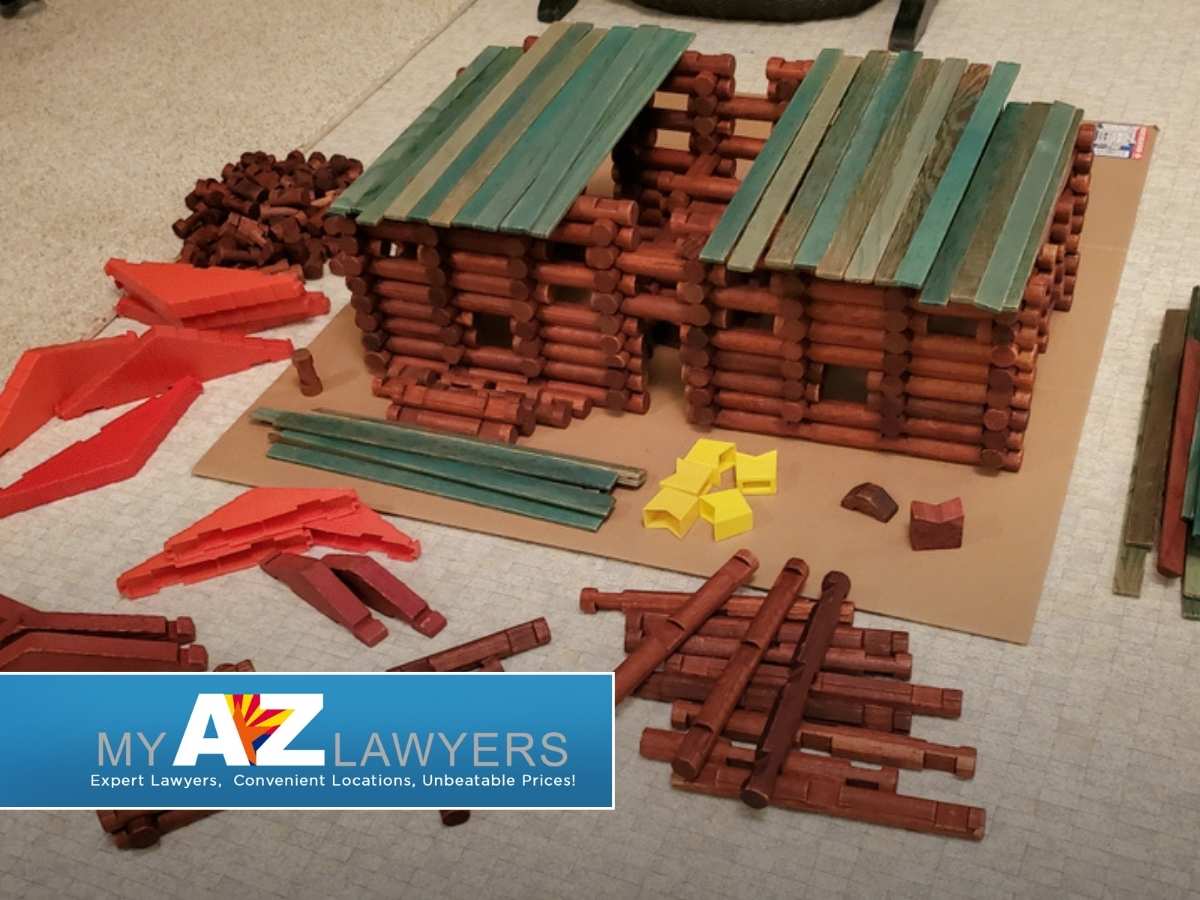
While children today are probably most excited by the latest technology, some of us may remember a time when toys were simpler. Lincoln Logs allowed children to build structures of their own design, which served as great fortresses for dolls and action figures. Lite Brite allowed artistic creativity without the skill generally required for painting, drawing, etc. Care Bears were an adorable source of cuddles and emotional expression. And Tonka Trucks allowed children to imagine what life would be like with a profession that involves the operation of heavy machinery. But while these toys are all classics, they apparently have decreased in popularity. Basic Fun!, the company that owns all of these brands, declared chapter 11 bankruptcy in June 2024.
Basic Fun! is a Florida-based company that has been in operation for more than a decade. Its business method was to acquire classic toy brands like Care Bears, K’nex, Tonka Trucks, and Lincoln Logs, to revitalize them and reintroduce them on the toy market. But the business of fun doesn’t come without its challenges. Basic Fun! declared in its bankruptcy petition that it has more than $50 million in debt. An example of the obstacles a company like Basic Fun! experiences is the bankruptcy and closure of Toys ‘R’ Us in 2017. The toy store chain was one of Basic Fun!’s biggest customers, and the bankruptcy filing left Basic Fun! with $6 million in uncollectible receivables, with only $1 million of that compensated by insurance coverage. Basic Fun! had its worst year in 2021, as the pandemic caused toy stores and amusement parks to shut down, leading the company to lose $10 million that year. By 2024, Basic Fun! began defaulting on some of its debts, with additional debts becoming due.
Filing for bankruptcy doesn’t mean the end for Basic Fun!. Great Rock Capital has provided the company with $50 million in debtor-in-possession financing. This funding is meant to help the company get back on track while it sorts out its bankruptcy issues. Hopefully, this cash infusion will help the toy company survive chapter 11 bankruptcy.
Bankruptcy has a reputation of being a complicated and risky process that comes with significant negative repercussions. However, hiring a skilled bankruptcy firm to handle your case can help you get the most out of filing with as few drawbacks as possible. Let our firm guide you through your options so you can feel confident about your decisions about whether (or not) to declare bankruptcy. We make getting the bankruptcy process started easier by offering free consultations and payment plan options for eligible clients starting at Zero Dollars Down. To learn more, call 623-399-4222 to schedule your free consultation with My AZ Lawyers.
Issues To Review Before Declaring Bankruptcy
Bankruptcy is most effective when it is carefully planned and strategically filed. Otherwise, there are countless issues that could arise throughout the case and cause extra costs, delays, lapsed bankruptcy protections, case dismissal, and in extreme cases, bankruptcy fraud charges. Mistakes like filing under the wrong chapter, failing to list assets, failing to list income, failing to list transfers, and more can all add unnecessary stress and turmoil in a chapter 7 or chapter 13 personal bankruptcy case. Below are some of the issues that you should review to determine if they are relevant to your situation, and if they affect which chapter of bankruptcy you should file. If you need assistance reviewing these issues with an experienced bankruptcy professional, don’t hesitate to contact our firm for your free consultation at 623-399-4222.
- Income qualification: The goals of chapter 7 bankruptcy and chapter 13 bankruptcy are different, and so are the income eligibility requirements. A chapter 7 bankruptcy debtor’s income can’t be too high, or else they should theoretically be able to pay off their debts. A chapter 13 bankruptcy debtor’s must be high enough to pay off mandatory debts during the 3 or 5 years that a chapter 13 payment plan lasts. Proving chapter 7 qualification can be done by comparing household income to the state median income, or demonstrating an inability to pay debts through the means test. Proving chapter 13 qualification involves determining if bankruptcy debts, secured debts, and priority debts can be paid off using the debtor’s disposable monthly income.
- Asset protection: Because debts are repaid in chapter 13 bankruptcy, the debtor usually won’t have to worry about their assets in this type of case. However, in chapter 7 bankruptcy, debts are cleared without repayment. If the debtor has valuable assets beyond what is necessary to maintain a reasonable standard of living, these assets could theoretically be sold to pay off debts. The purpose of bankruptcy exemptions is to protect a debtor’s assets so they aren’t left with nothing after clearing debts in bankruptcy. For example, a bankruptcy debtor can use exemptions to protect their house, car, clothing, household appliances, furniture, retirement savings, and more. If you are considering filing for bankruptcy, review your assets with a bankruptcy attorney to ensure they will be protected by Arizona’s exemptions.
- Credit card spending: There are limits on how much a bankruptcy debtor can spend on credit cards in the months leading up to filing their petition. This is to keep debtors from abusing the bankruptcy system by maxing out credit cards on discretionary purchases without the intention of ever paying them back, knowing that a bankruptcy filing is imminent. It is also to keep debtors from taking out cash advances on their credit cards to stash away funds that might not be protected by exemptions. The limit for cash advances is no more than $1,100 in the 70 days prior to filing for bankruptcy. The limit for luxury purchases is $950 in the 90 days prior to filing for bankruptcy. If your credit card spending exceeds these limits, you may be left with these debts are your bankruptcy discharge.
- Preferential payments and transfers: Just like bankruptcy debtors can’t max out credit cards just to discharge them, they also can’t transfer their unprotected assets to loved ones before bankruptcy, nor should they make payments to this group in favor of paying back traditional creditors. These kinds of preferential payments and transfers could cause interruptions in your case that have lasting effects.
Considering Filing For Bankruptcy In Arizona? Start Here With Your Free Consultation
Bankruptcy doesn’t have to mean the end, and Basic Fun!’s bankruptcy filing is an illustration of this. Bankruptcy can help a business or an individual who needs protection from creditors due to unpaid debts. But for it to be most effective, the petition should be drafted and filed by an experienced professional. Make sure your assets are protected and that you won’t lose protections from the automatic stay from a temporary or permanent case dismissal. Our skilled bankruptcy lawyers can guide you through the 341 Meeting of Creditors, chapter 13 plan confirmation hearing, and any other hearings you may need to attend as part of your bankruptcy case. We offer free initial consultations and payment plans starting as low as Zero Dollars Down. Schedule your free over the phone consultation today by calling 623-399-4222.